

Most travelers blow right past the best parts of any mountain road. I did the same thing until I stumbled onto a few hidden mountain villages worth a weekend detour, and honestly, nothing else really compares. No souvenir shops. No tour buses. Just stone houses, wood smoke, and the kind of deep silence that makes your shoulders drop three full inches.
1. Civita di Bagnoregio, Italy
This place sits on a crumbling volcanic ridge in central Lazio, and the only way in is a long pedestrian bridge suspended over a canyon. I arrived on a foggy Saturday morning and had the entire piazza to myself for a solid twenty minutes before anyone else showed up. The population hovers around ten permanent residents, which sounds like a joke until you actually walk the empty lanes.
Grab a plate of pici pasta at one of the two tiny trattorias, then sit on the edge of the cliff and watch the valley fill with clouds. The entry fee is about five euros, which goes toward preserving the eroding tufa rock beneath the town. Come early or late in the day to dodge the midday bus groups from Orvieto. It feels like a film set that everyone forgot to strike.
2. Monsanto, Portugal
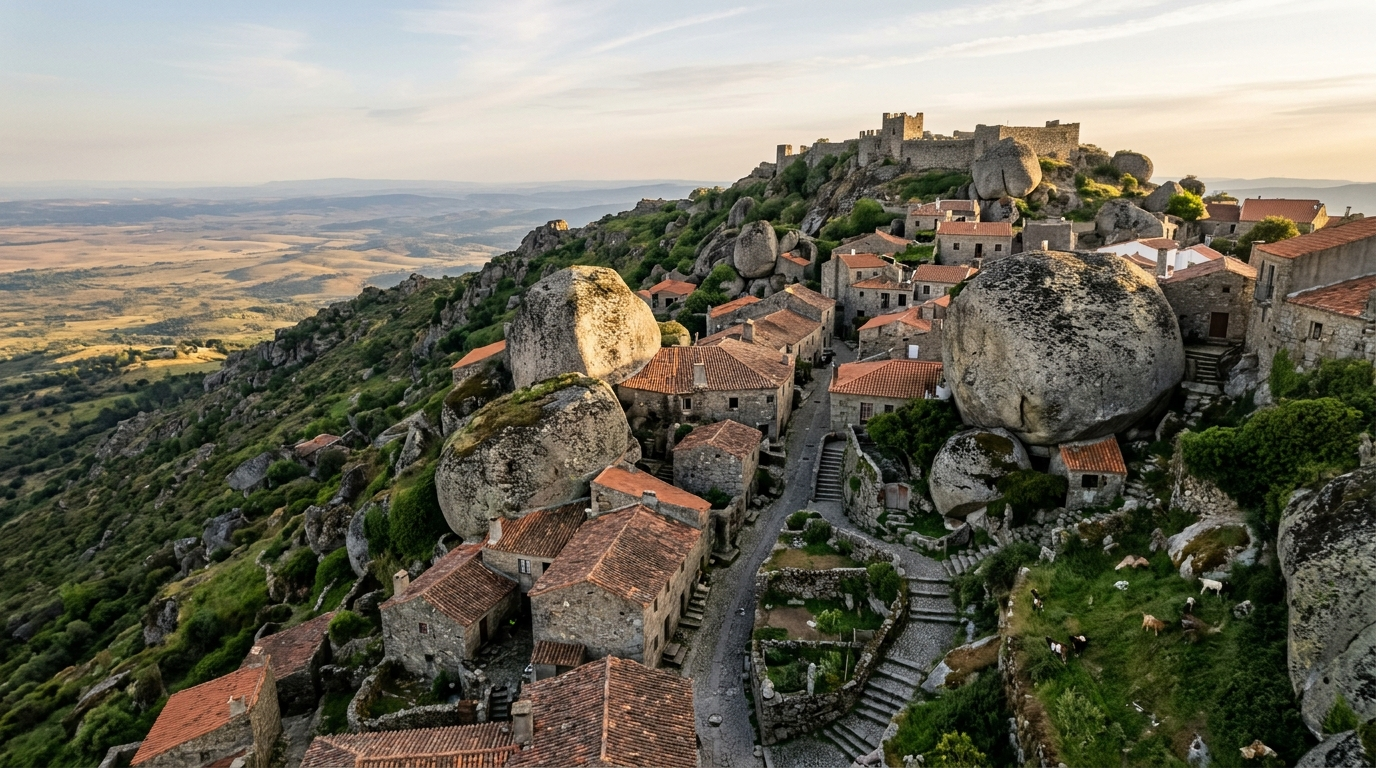
Granite boulders the size of houses are literally built into the walls and rooftops here, and I still cannot tell where the rock ends and the architecture begins. Monsanto clings to a hillside near the Spanish border, about three hours from Lisbon, and most tourists never make the turn off the main highway. I spent a full afternoon just wandering the steep cobblestone paths with a pastel de nata from the single bakery near the castle ruins.
The fortress at the top is free to enter and gives you a 360-degree view of the Alentejo plains. Wear sturdy shoes because the granite paths get slippery when wet. You will probably share the streets with more goats than people, and that is part of the charm.
3. Gimmelwald, Switzerland
Everyone flocks to Mürren, which sits on the same cliff ledge and gets all the Instagram attention. Gimmelwald is the tiny, unbothered neighbor a five-minute walk down the path, and it has maybe thirty residents and one very good guesthouse called Mountain Hostel. I booked a bunk there on a whim and woke up to the Eiger filling my window.
The village has a single grocery shelf in a barn, a rope tow for local skiers, and absolutely zero pretension. The walk between Gimmelwald and Mürren is flat and takes about ten minutes, so you can easily pop over for dinner and come back to the quiet. IMO it is the best of both worlds. If you want the Jungfrau region without the Swiss price tag, this is your spot. It easily ranks among the best hidden mountain villages worth a weekend detour in all of Europe.
4. Ushguli, Georgia
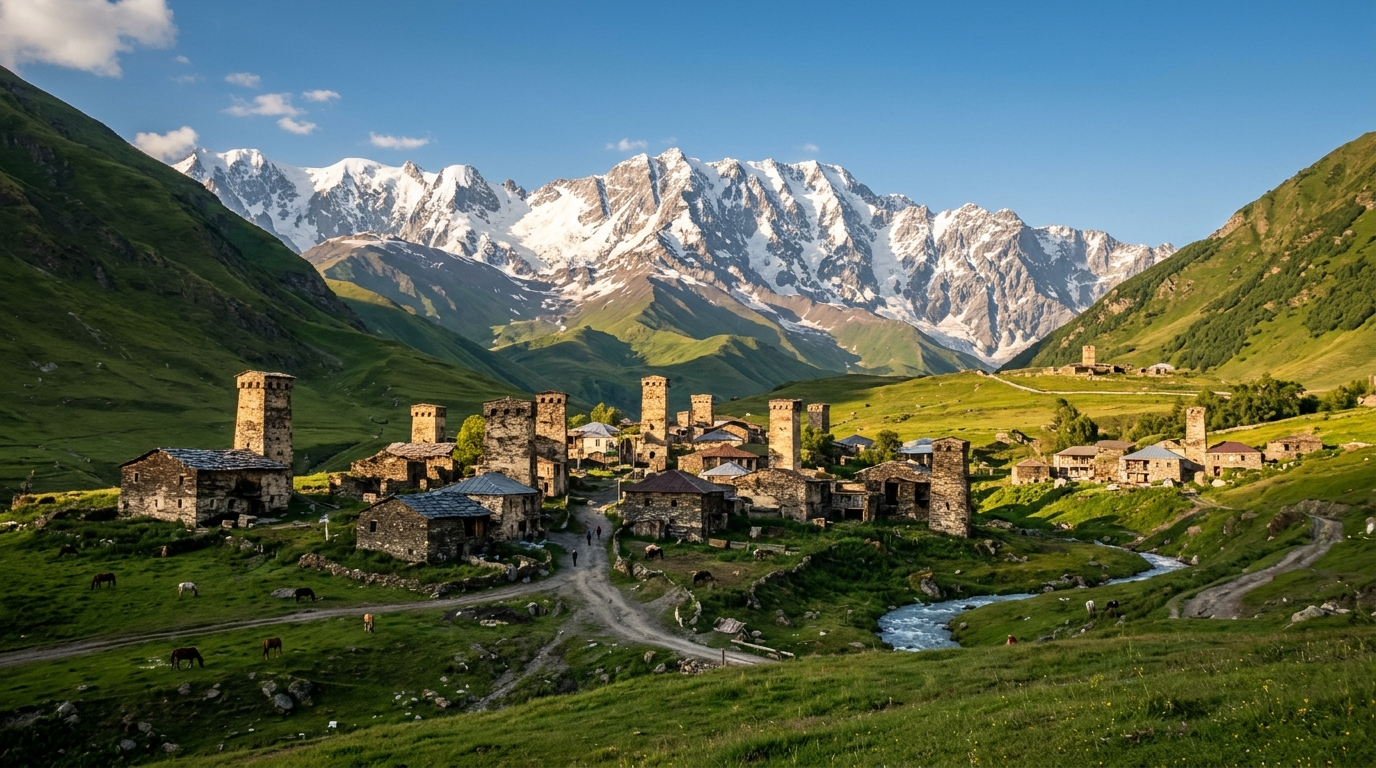
At over 2,200 meters, this cluster of stone towers in the Svaneti region claims the title of one of the highest continuously inhabited settlements in Europe. Getting there from Mestia takes about three hours on a road that is generous to call a road, and I white-knuckled the entire ride in a shared minivan. The payoff is absurd.
Medieval watchtowers rise out of green alpine meadows with the Caucasus glaciers behind them, and the local guesthouses serve kubdari, a spiced meat bread that I still think about weekly. Most visitors day-trip from Mestia, so if you stay overnight, you get the village to yourself after four in the afternoon. Go in September for clear skies and fewer muddy paths.
5. Setenil de las Bodegas, Spain
The houses here are built directly into the rock overhangs of a river gorge, so the ceiling of your bedroom might literally be a cliff face. Setenil sits in the Andalusian highlands about two hours from Malaga, and it gets a fraction of the visitors that nearby Ronda pulls in. I ducked into a bar carved into the rock wall and ordered a glass of local red for two euros while the afternoon light hit the canyon in that ridiculous golden way.
The town is small enough to cover in a couple of hours, which makes it a perfect half-day stop on a longer road trip through the pueblos blancos. The olive oil and local chorizo from the small shops along the main street make excellent gifts, assuming you can resist eating them in the car.
6. Gásadalur, Faroe Islands
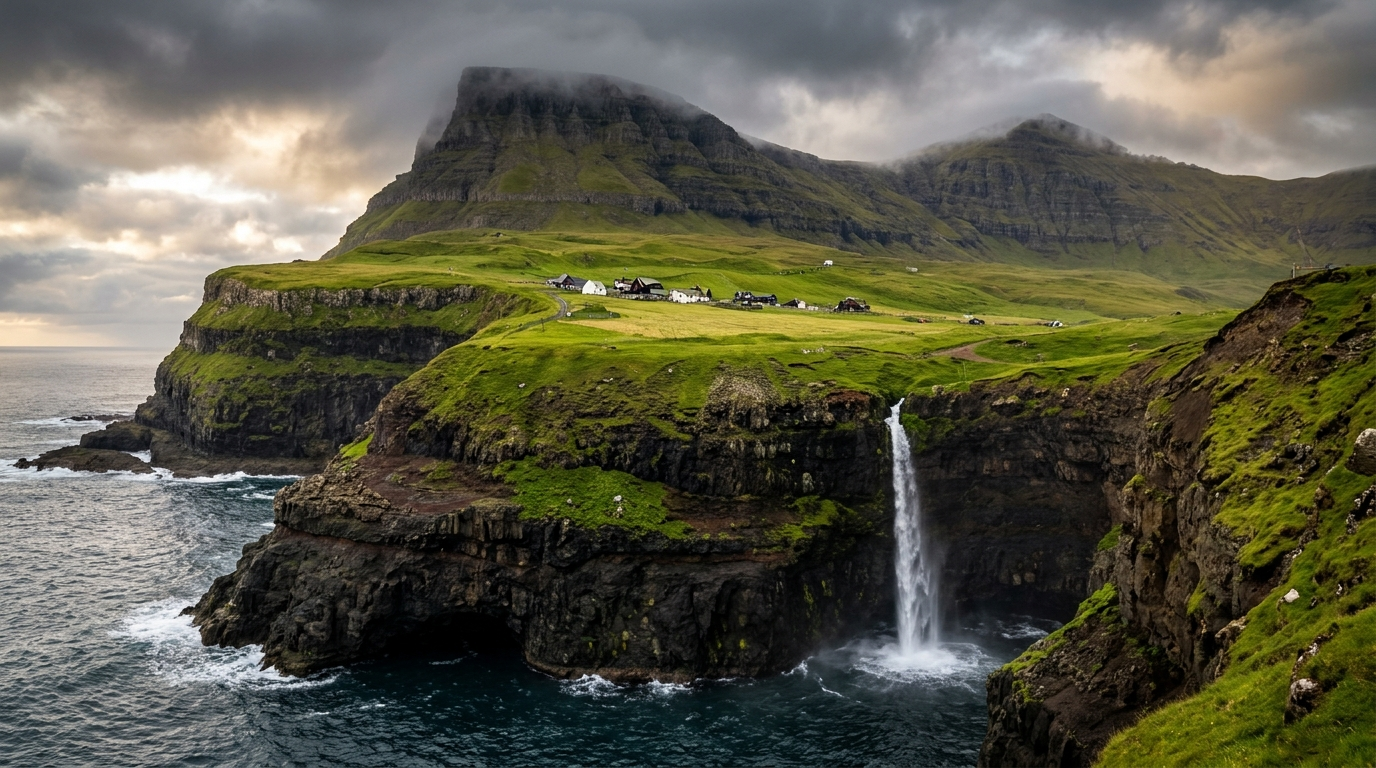
Until 2004, the only way to reach this village was by hiking over a 400-meter mountain pass or waiting for the mail boat. A tunnel changed that, but Gásadalur still has fewer than twenty residents and one of the most dramatic waterfall drops I have ever seen in person. The Mulafossur waterfall plunges straight off the cliff into the North Atlantic, and standing next to it in the wind made me feel very small and very awake.
There is no hotel, no restaurant, and no gift shop. The drive from Vagar airport takes about forty minutes, which makes it an easy add-on if you are flying into the Faroes for a long weekend. Bring your own food, layer up, and plan for weather that changes every fifteen minutes.
7. Ainokura, Japan
Shirakawa-go gets all the attention in the Gokayama region, but Ainokura is the quieter, more atmospheric alternative about thirty minutes further south and one of the hidden mountain villages worth a weekend detour that most Japan itineraries skip entirely. The thatched-roof gassho-zukuri farmhouses here date back over 250 years, and the village sits in a narrow valley that fills with mist most mornings.
I visited in late November and had the place almost entirely to myself, which felt almost unfair given how beautiful it was. The Ainokura Folk Museum is tiny but worth the twenty-minute visit if you want to understand how families actually lived inside these steep-roofed houses during the heavy snow months. Stay in one of the farmhouses that takes overnight guests, eat the local soba, and listen to the absolute nothing outside your window at night.
How to Find Hidden Mountain Villages Worth a Weekend Detour
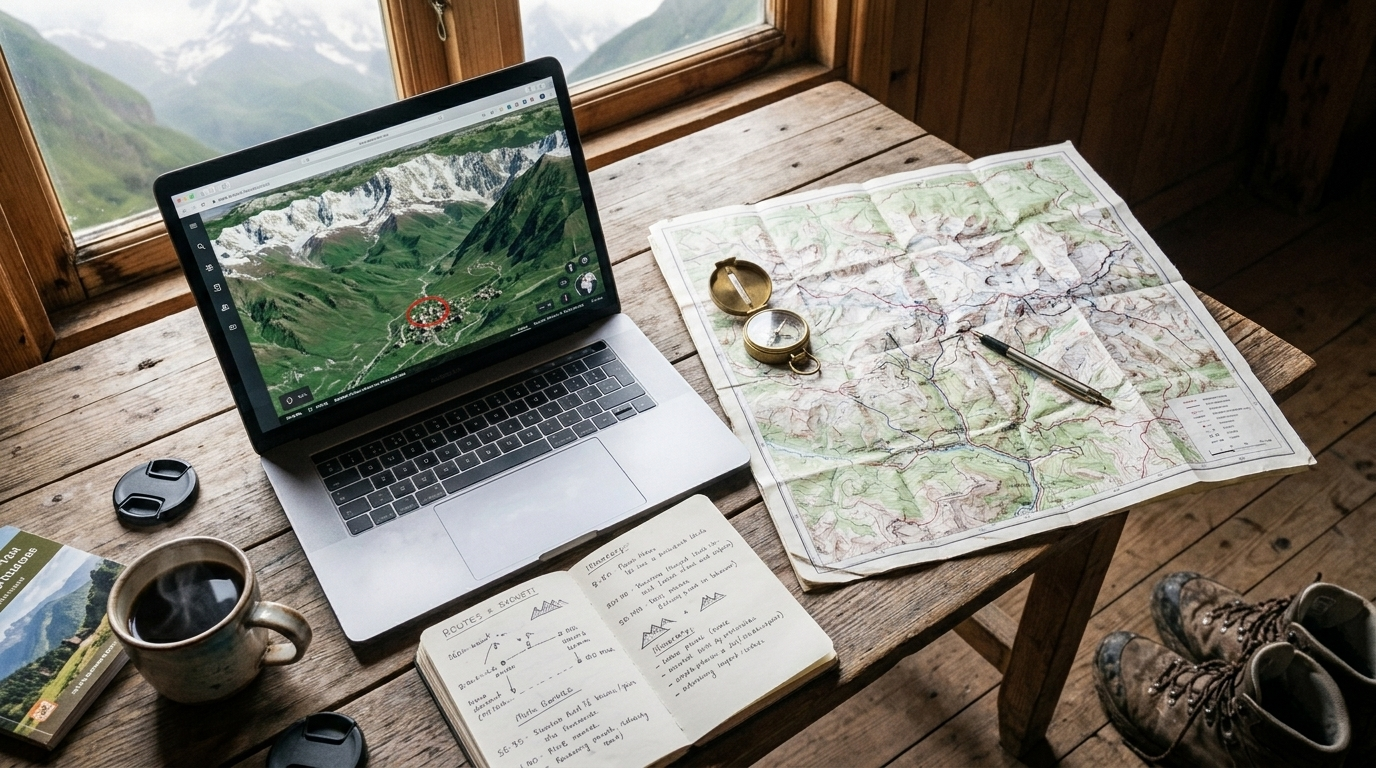
Skip the top-ten lists and open Google Maps instead. I zoom into mountain regions near cities I am already visiting and look for tiny clusters of buildings with no major roads leading to them. Local hiking forums and regional subreddits often mention places that guidebooks ignore completely. These methods helped me track down the hidden mountain villages worth a weekend detour that you see on this list.
I also check AllTrails for hiking routes that pass through small settlements. If a trail goes through a village with fewer than fifty reviews, that is usually a good sign. Ask a bartender or a guesthouse owner in the nearest big town, because they almost always know a spot up the valley that tourists never find on their own.
FAQs
How do you find hidden mountain villages worth a weekend detour?
I start with Google Maps satellite view and zoom into mountain areas near cities I already plan to visit. Tiny building clusters with narrow roads usually mean a quiet village. Local hiking forums and Reddit threads fill in the rest.
Are these villages safe for solo travelers?
Absolutely. Most of these places are so small that crime is basically nonexistent. The biggest real risk is a narrow mountain road or a slippery cobblestone path after rain. I have solo-traveled to all seven and never felt uneasy once.
What is the best season to visit mountain villages?
Late September through early November is my personal sweet spot. The summer crowds are gone, the light turns golden, and the temperatures stay comfortable for walking. Spring works too, but mountain roads can still be icy or fully closed in April.
Do you need a car to reach these places?
For most of them, yes. Public transit gets you close to places like Gimmelwald and Ainokura, but villages like Ushguli and Gásadalur really require your own wheels or a hired driver. Renting a small car is usually the cheapest option.
How much does a weekend in a mountain village cost?
It really depends on the country, but I usually budget around 100 to 150 euros per night for a basic guesthouse and two meals. Georgia and Portugal skew much cheaper, while Switzerland and the Faroe Islands will stretch your budget quite a bit more.
Conclusion
Pick one of these spots, block out a Saturday and Sunday, and just go. The best travel memories I have came from places I almost drove past, and I think yours will too.


